About Rubber Tyre
A
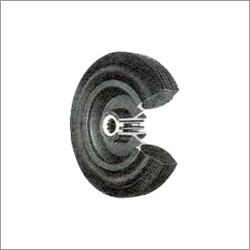
rubber tyre is a type of wheel that is made from rubber and used in a variety of applications. It is commonly used on cars, trucks, and other vehicles, as well as on various machines, such as tractors and forklifts. Rubber tyres provide a high degree of traction and absorb shocks and vibrations, making them ideal for use on rough terrain or uneven surfaces. They also provide a cushion of air between the wheel and the ground, which helps to reduce friction and improve the ride quality. Additionally, rubber tyres are relatively light and require less energy to propel a vehicle than other types of tyres.
Engineered for Durability and PerformanceUtilizing advanced compounds such as natural and butyl rubber blends, these tyres deliver exceptional resilience against oil, heat, wear, chemicals, UV rays, and ozone. Every tyre is designed for heavy-duty use, with tensile strength exceeding 12 MPa and elongation at break over 350%. This robust construction supports extended usage in various automotive and industrial applications, ensuring a long service life.
Fuel Efficiency and Environmental ResponsibilityLow rolling resistance results in reduced energy consumption, supporting enhanced fuel efficiency, especially for vehicles and industrial carts. Manufactured in compliance with RoHS and ISO 9001:2015 standards, our tyres are environmentally responsible, prioritizing safety and performance while minimizing ecological impact.
FAQ's of Rubber Tyre:
Q: How does puncture resistance benefit the tyre's performance and lifespan?
A: The high puncture resistance ensures that the tyre can withstand rough terrains, debris, and sharp objects with minimal risk of rupture. This leads to longer service life and reduces the frequency of replacements, minimizing operational downtime and maintenance costs.
Q: What is the recommended process for maintaining and inspecting these tyres?
A: Although designed for minimal maintenance, periodic visual inspection is recommended. Ensure correct inflation pressure (30-35 PSI) and check for signs of unusual wear or damage. Routine maintenance helps sustain optimal performance and safety, especially in heavy load applications.
Q: What types of vehicles and machinery are suitable for these tyres?
A: These tyres are versatile and can be used on automobiles, bicycles, industrial machinery, hand carts, and various agricultural equipment. The customizable sizing and robust construction make them adaptable to a wide range of applications and load requirements.
Q: When should I consider choosing tube versus tubeless tyre styles?
A: Tube tyres are typically selected when ease of repair is necessary, or for legacy vehicles, whereas tubeless tyres are preferred for modern vehicles and machines seeking improved puncture resistance and reduced maintenance. Both styles are available to match specific operational needs.
Q: What are the key environmental and safety standards this tyre meets?
A: Each tyre is manufactured in accordance with RoHS directives and ISO 9001:2015 certification, ensuring high performance, environmental compliance, and stringent quality control throughout production.
Q: Where can these tyres be directly mounted, and what are the mounting specifications?
A: These tyres are designed for direct fitment onto standard wheel rims. They are compatible with a wide variety of rim sizes, supporting easy installation across automotive and industrial platforms.
Q: How does low rolling resistance enhance fuel efficiency and operational cost savings?
A: Low rolling resistance reduces the energy required for the tyre to move, leading to less fuel consumption for vehicles or lower power requirements for machinery. This not only cuts operational costs but also supports eco-friendly transport and logistics.





 Send Inquiry


 Send Inquiry

 Send Inquiry

 Send Inquiry
 Send SMS